

Sustainability Policy
Carbon Footprint Report
1. Importance of Sustainability for IIM Indore
We understand that our teaching, research, and administrative decisions directly and indirectly impact local ecosystems of our community. We view sustainability as a commitment to responsible resource management and long-term thinking within our institutional culture. This commitment involves systematically evaluating the environmental and social impacts of our choices, from campus infrastructure to partnerships and outreach. We continuously seek opportunities to improve. We believe that integrating sustainability is the core of our duty to contribute positively to society and the environment. The pursuit of sustainability at IIM Indore is an ongoing and collective effort with evolving global standards. The institute is preparing for achieving a net-zero campus by the end of 2035.
2.Working towards Sustainability
(a) Sustainable Waste Management
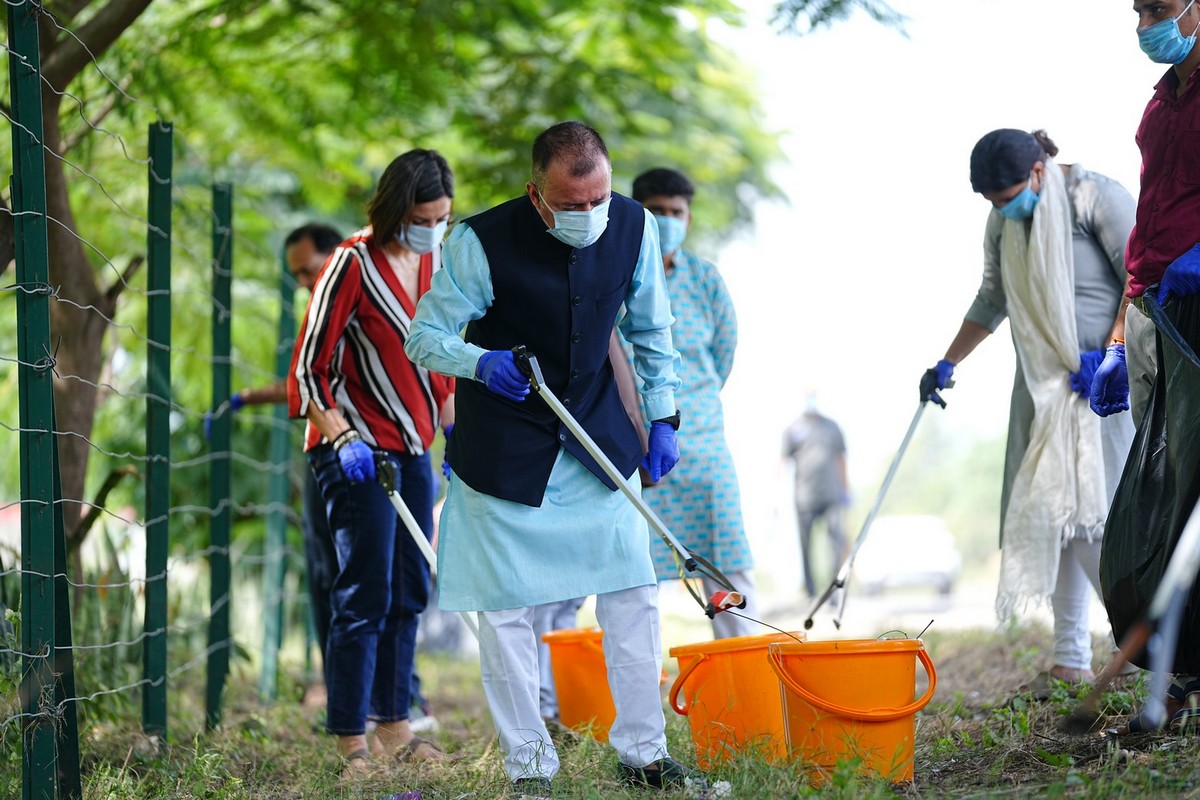
IIM Indore is committed to minimizing its waste footprint through the principles of “Reduce, Reuse, Recycle.” We will implement a comprehensive waste management system that includes:
Segregation at Source: Strategically placed, clearly labeled, color-coded bins across the campus (academic area, admin block, residential areas, hostels) to facilitate the segregation of waste into wet (biodegradable), dry (recyclable), and domestic hazardous categories.
Organic Waste Composting: Establishment of on-campus composting or bio-gas facilities to process food and horticultural waste, converting it into nutrient-rich manure for landscaping and gardening.
Recycling Program: Partnering with government authorized recycling agencies for the responsible disposal and processing of dry waste, including paper, plastic, metal, and glass. A special focus will be placed on the safe disposal of e-waste in compliance with statutory regulations.
Reducing Single-Use Plastics: Phasing out single-use plastic items on campus by promoting sustainable alternatives among faculty, students, staff, and vendors.
(b) Water Management
The Institute will actively work to conserve water by:
Rainwater Harvesting: Utilizing and expanding rainwater harvesting systems to capture monsoon runoff, which will be used to recharge groundwater aquifers and for horticultural purposes.
Wastewater Treatment: Operating and maintaining a Sewage Treatment Plant (STP) to treat all campus wastewater. The recycled water will be used for irrigation and landscaping, reducing our dependency on fresh water sources.
Efficient Fixtures: Installing water-efficient plumbing fixtures, such as low-flow taps and dual-flush toilets, in all new constructions (such as project 8) and progressively retrofitting them in existing buildings.
(c) Energy Efficiency
We aim to optimize energy consumption and increase our reliance on clean, renewable energy through:
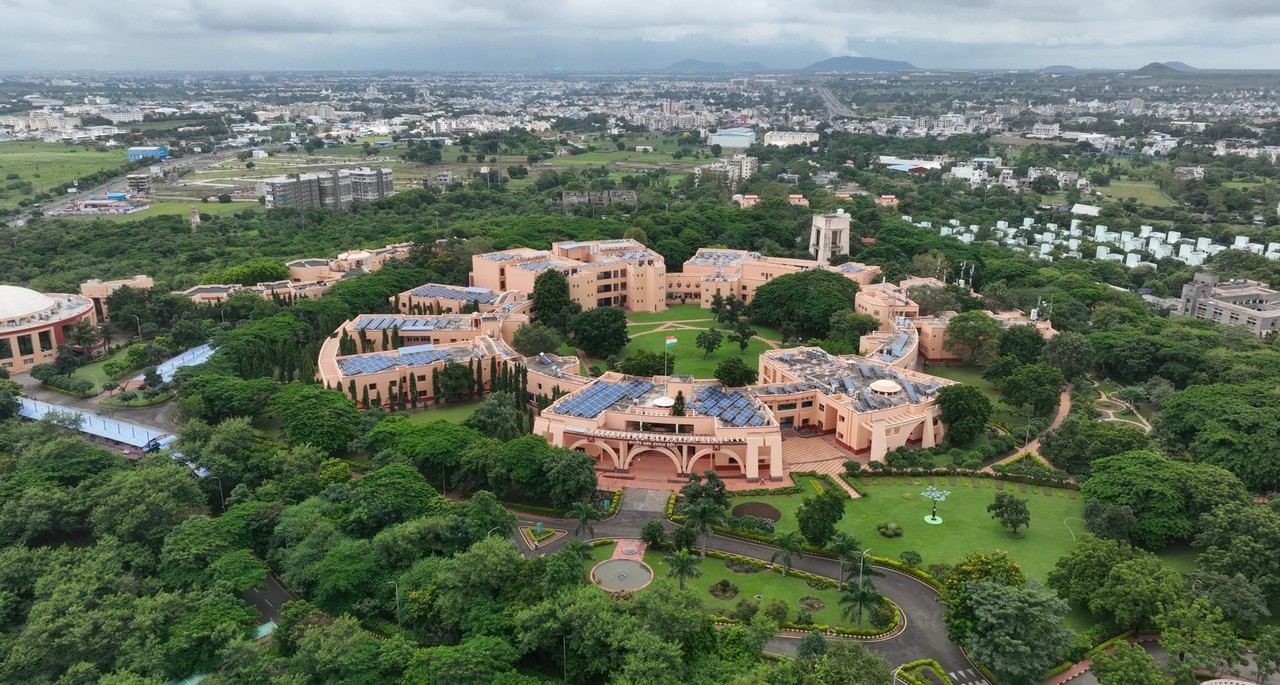
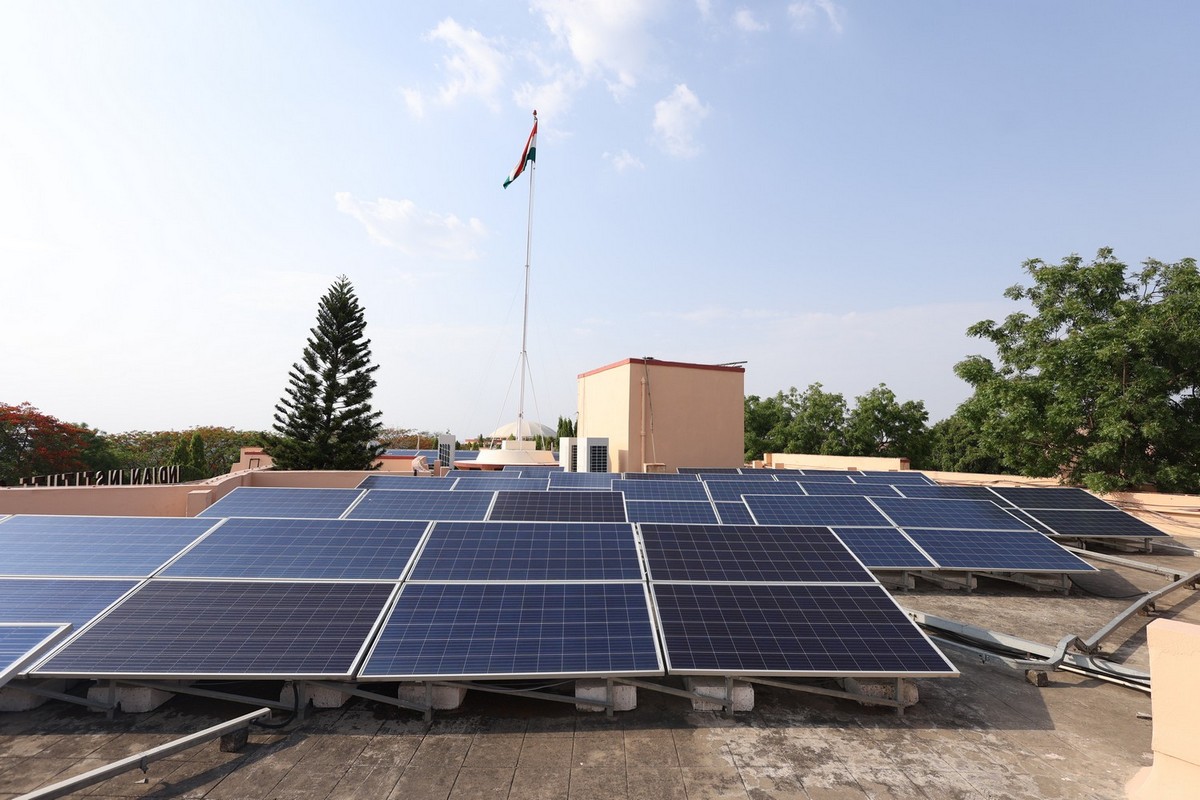
Solar Power Generation: Systematically increasing the campus’s solar power capacity by installing photovoltaic (PV) panels on the rooftops of buildings, thereby reducing our carbon footprint.
Energy-Efficient Infrastructure: Transitioning to LED lighting across the campus in a phased manner and ensuring that all new equipment and appliances procured are of high energy-efficiency (BEE 5-star rating or equivalent).
Behavioral Change: Conducting regular awareness campaigns to encourage the IIM Indore community to adopt energy-saving habits, such as turning off lights and appliances when not in use.
(d) Green campus and Sustainable Transport Initiatives
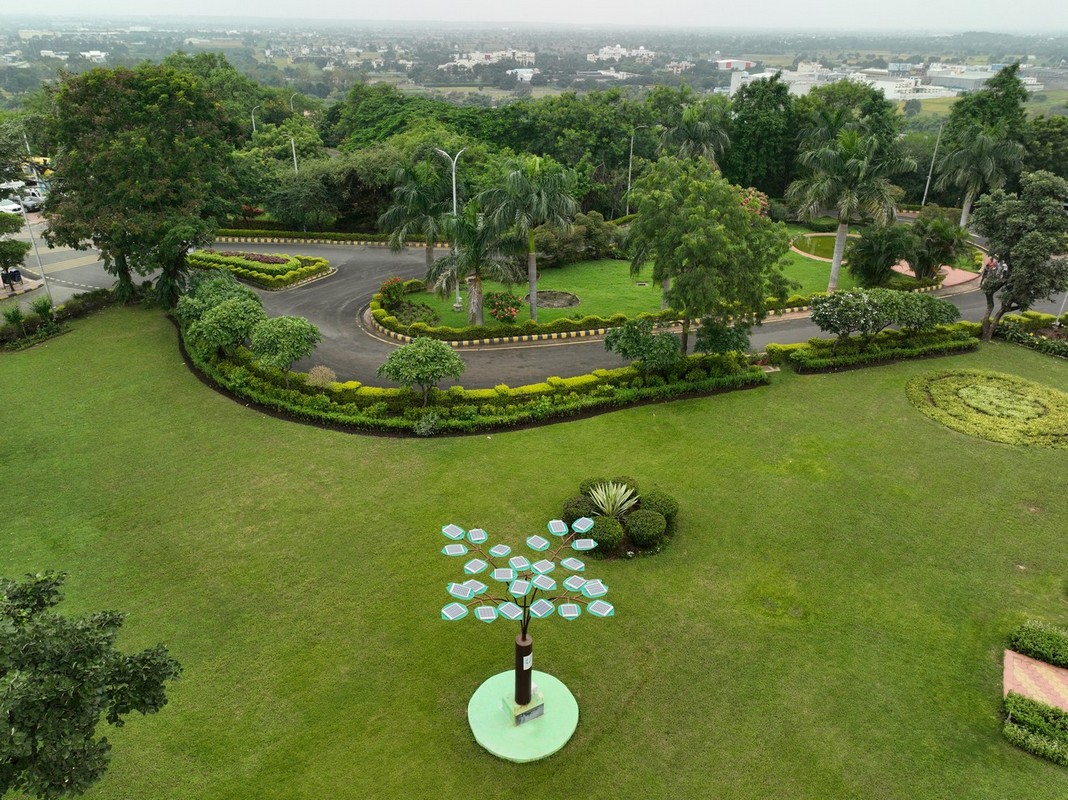
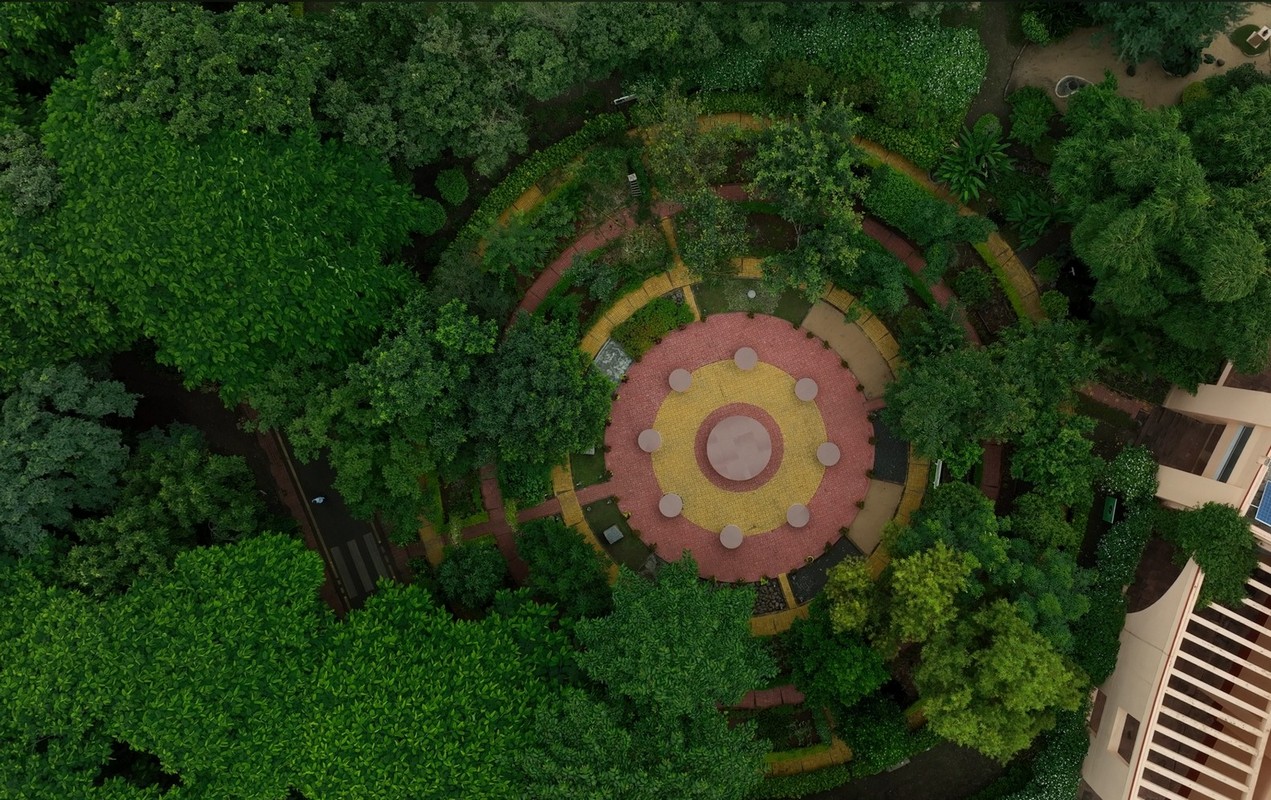
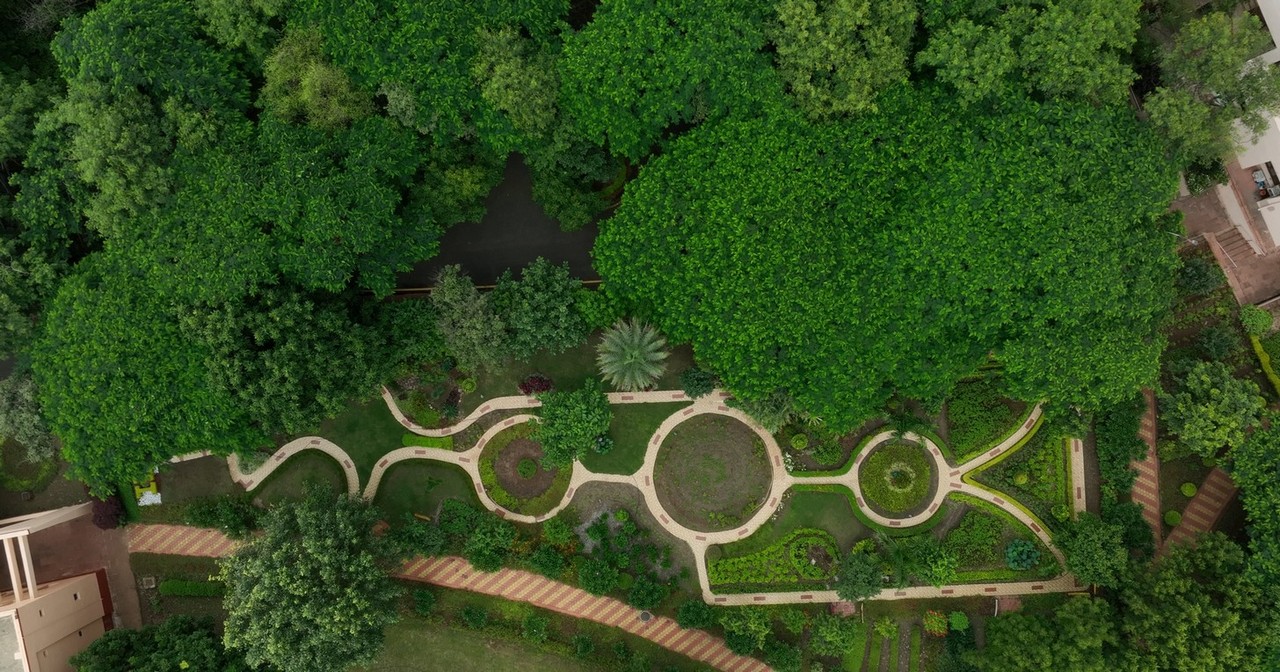
IIM Indore’s scenic campus is a hub of biodiversity that we are committed to protecting and enhancing. Our efforts will include:
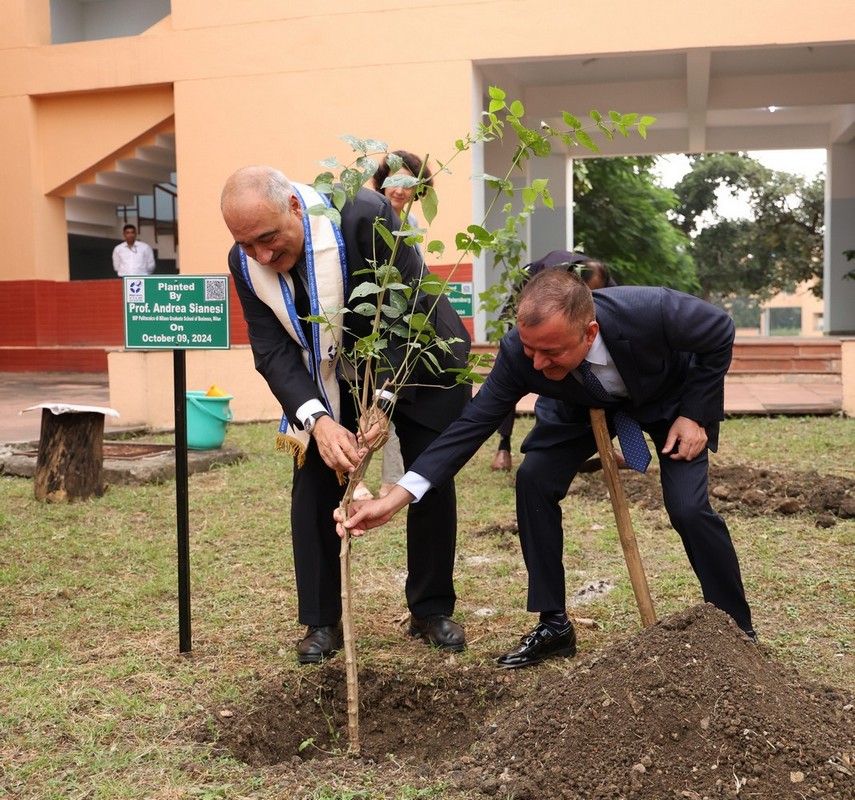
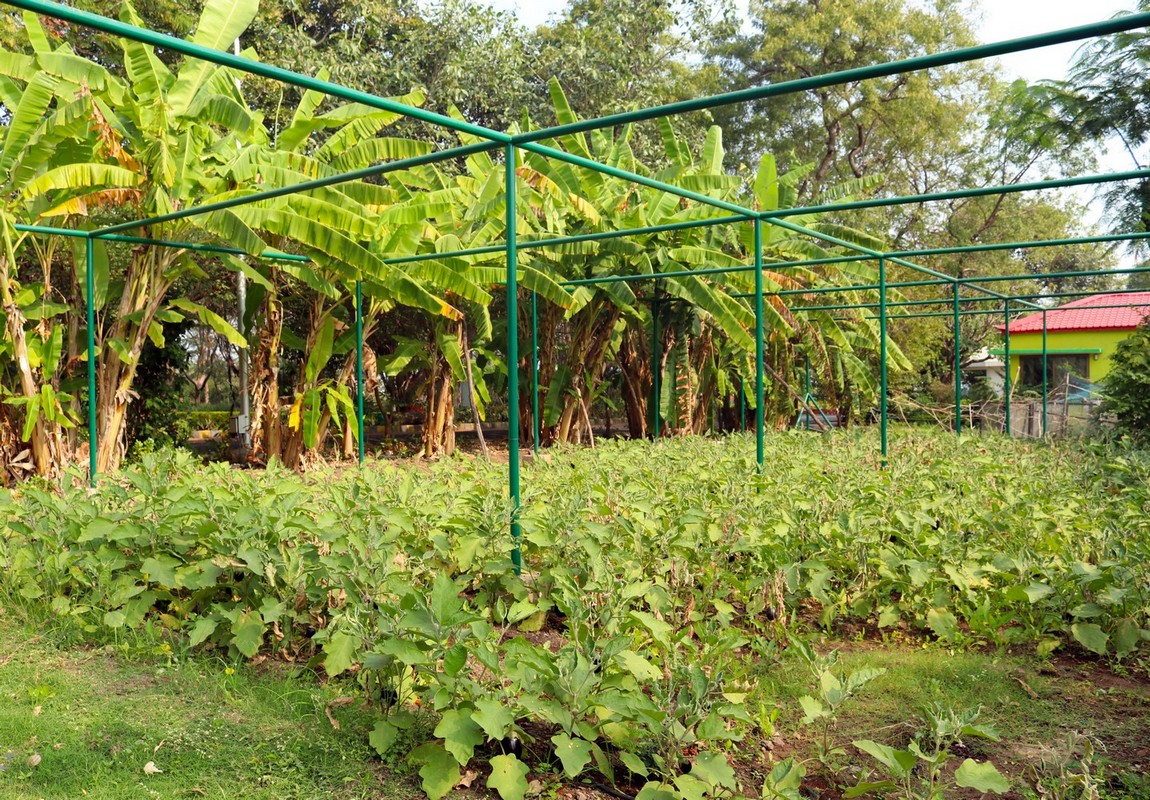
Promoting Native Flora: Continuing regular tree plantation drives with an emphasis on locally suited plant species that support local fauna according to the climate of Indore, Madhya Pradesh.
Sustainable Landscaping: Maintaining our green spaces using organic manure from our composting units and minimizing the use of chemical pesticides to preserve soil health and protect pollinators.
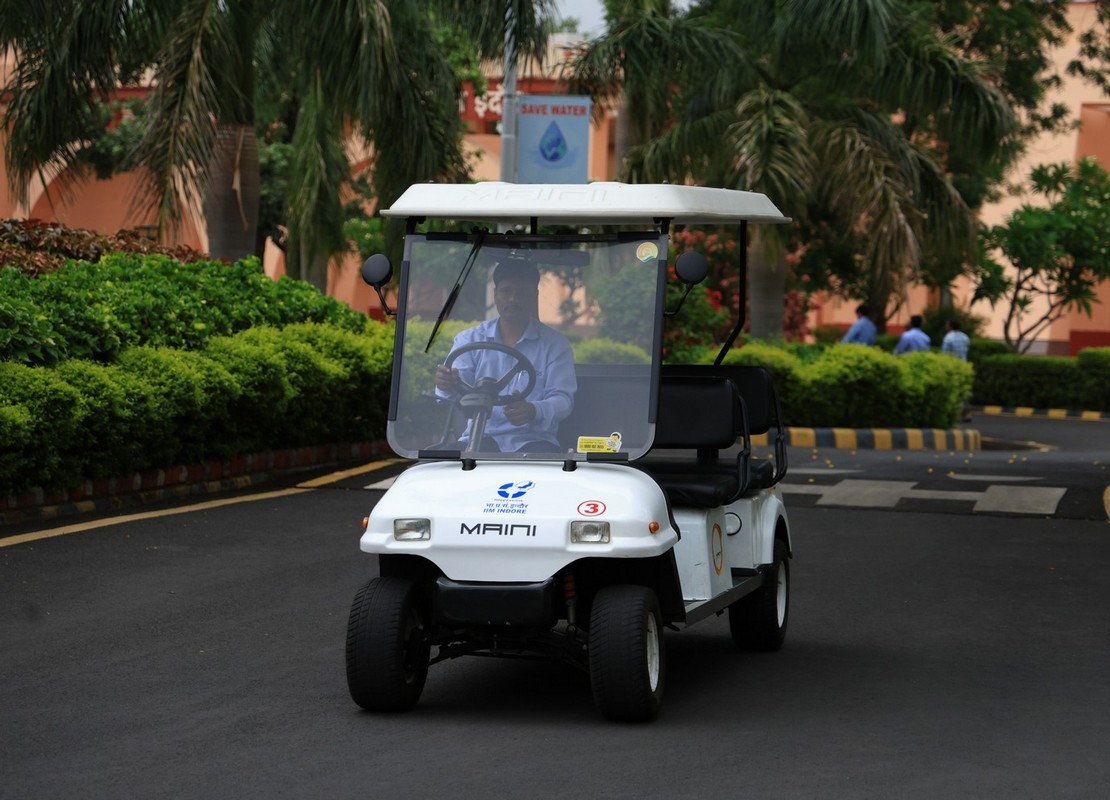
Optimizing Campus Shuttles: Improving the routes and frequency of campus shuttle services to reduce the need for private vehicles.
3 Awareness Programmes and Community Engagement
A culture of sustainability can only be built through collective effort. IIM Indore will:
Curriculum Integration: Encourage the integration of sustainability, business ethics, and corporate social responsibility as core themes in our academic programs and research.
Community Participation: Form a student-faculty-staff “Sustainability Committee” to champion green initiatives, organize workshops, and conduct awareness events throughout the year.
Outreach Programs: Engage with the local community on environmental issues and collaborate on projects that promote sustainable living.
4. Governance and Reporting
IIM Indore’s administration, through a designated Committee, will be responsible for overseeing the implementation, coordination, and continuous improvement of these initiatives.
The Institute will periodically track key performance indicators (e.g., energy and water consumption per capita, waste recycled) and share progress with the IIM Indore community to ensure transparency and accountability.
This policy will be reviewed every two years, or as required, to adapt to new technologies, regulations, and best practices in sustainability.
5. Partnerships and Collaborations
IIM Indore believes that collaborative action is essential to amplify the impact of our sustainability efforts. We will actively seek and foster partnerships with a wide range of stakeholders:
We will partner with corporations to promote sustainable business practices through joint research, case studies, and executive education programs; The Institute will work closely with local, state, and national government bodies, as well as non-governmental organizations (NGOs), to support the implementation of environmental policies and contribute to community-based sustainability projects; We will collaborate with other leading academic and research institutions globally to share knowledge, benchmark best practices, and engage in collaborative research on pressing sustainability challenges; Institute’s initiative, the Centre of Excellence, ANVESHAN, focused on Waste Management and WASH (Water, Sanitation, and Hygiene) will continue the international and national collaborations to promote sustainability.
Thus, this Sustainability Policy represents IIM Indore’s firm commitment to embedding the principles of environmental and social responsibility into the fabric of our institution.