

banner topsemicircle

International Conference on Youth for Impact: Social Innovation & Inclusive Leadership – Empowering Youth, Transforming Futures Begins at IIM Indore

International Conference on Youth for Impact: Social Innovation & Inclusive Leadership – Empowering Youth, Transforming Futures Begins at IIM Indore

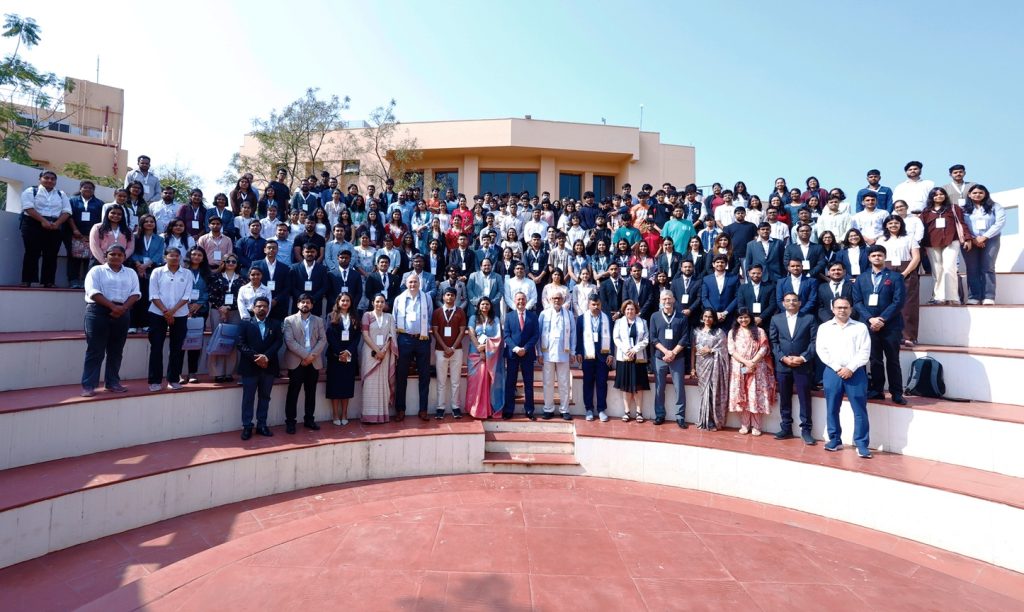
The Indian Institute of Management Indore (IIM Indore) inaugurated the International Conference on Youth for Impact: Social Innovation & Inclusive Leadership – Empowering Youth, Transforming Futures on February 16, 2026, in coordination with the Department of Youth Affairs, Ministry of Youth Affairs & Sports, Government of India. The three-day conference brings together leading academicians, policymakers, development practitioners, and young leaders to deliberate on the transformative role of youth in shaping inclusive and sustainable societies. The conference was inaugurated by the Conference Patron, Prof. Himanshu Rai, Director, IIM Indore.

In his inaugural address, Prof. Rai shared the importance of creating enabling ecosystems where young people can translate their ideas into meaningful social impact. “India’s nation-building journey is deeply linked to the aspirations, innovation, and leadership potential of its youth, and emphasized the role of academic institutions in nurturing socially responsible leadership – and we at IIM Indore are committed to contribute to this pious mission in every way”, he said. Referring to India’s emergence as one of the world’s youngest nations, he noted that the country’s nation-building journey is closely tied to the energy, aspirations, and leadership of its youth, and that this demographic dividend must be supported through purposeful policy, institutional collaboration, and inclusive development frameworks. He highlighted the significance of initiatives of the Government of India, particularly through the Department of Youth Affairs, Ministry of Youth Affairs & Sports, in creating structured opportunities for youth engagement. Emphasizing the role of higher educational institutions as catalysts for socially responsible and ethically grounded leadership, he expressed that platforms such as this conference are essential for shaping ideas that contribute to an Atmanirbhar and Viksit Bharat.
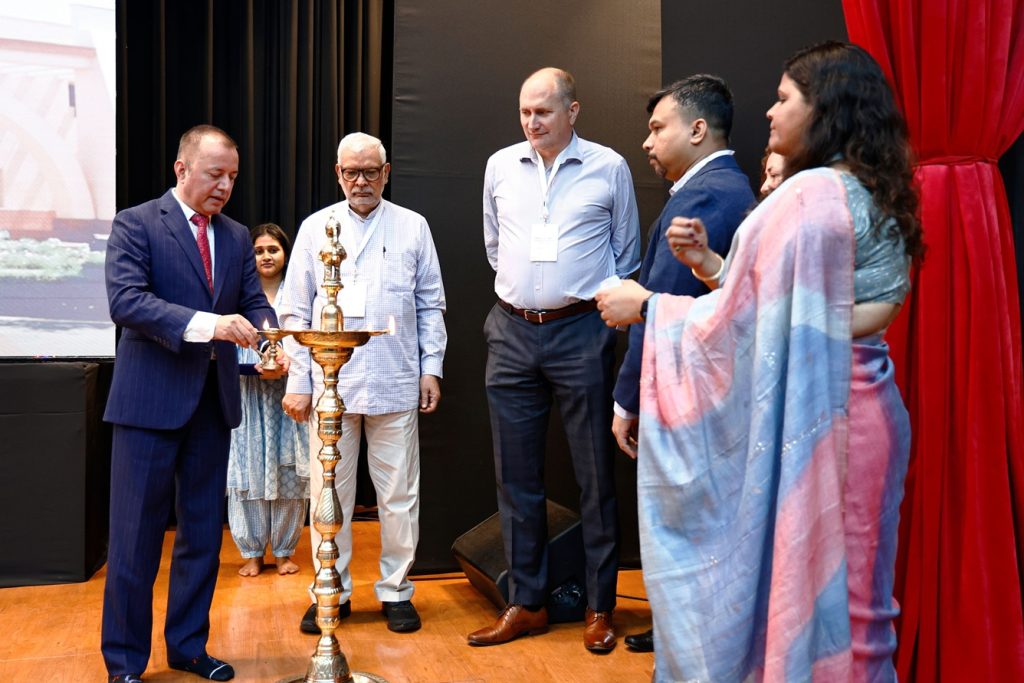
In the welcome address, Conference Convener, Prof. Shruti Tewari highlighted the need to integrate policy, education, and community engagement to strengthen youth participation in development processes. Emphasizing the significance of structured opportunities for young people, she remarked, “Bridging the gap between what we teach, what policy envisions, and what communities need is essential for real impact”. Structured opportunities such as social internships and field-based learning enable youth to transform knowledge into action and leadership into measurable social change, she added.

The first day of the conference featured four keynote addresses by eminent international scholars, each offering distinct perspectives on youth, leadership, health, and sustainable development. Prof. Ronald Fischer, Instituto D’Or de Pesquisa e Ensino, Brazil, delivered a thought-provoking address on “Values and Health in an Age of ChatGPT – Opportunities and Challenges,” where he examined the intersection of technological transformation, human values, and well-being, emphasizing the need to preserve ethical and cultural foundations while engaging with rapidly evolving digital systems.

Prof. Jolanda Jetten, The University of Queensland, who spoke on “Unlocking the Social Cure: How Group Memberships are Key to Health and Well-being.” She highlighted the powerful role of social identity and collective belonging in enhancing mental health, resilience, and overall well-being, and underscored how inclusive communities can serve as catalysts for positive social outcomes.

Prof. Belgin Okay-Somerville from the University of Glasgow delivered a keynote on “Rethinking Youth Employment as a Sustainable Human Resource Management Issue,” where she called for a shift in perspective from short-term employability to long-term, sustainable workforce integration, emphasizing the importance of dignified, meaningful, and future-oriented employment pathways for young people.

Prof. Alex Newman, The University of Melbourne, on “Leadership and the Virtue of Humanity,” in which he spoke about the centrality of compassion, ethical responsibility, and human values in leadership, particularly in times of social and organizational transformation.

The day also witnessed an engaging panel discussion on “Investing in Youth Through Social Internship Programmes,” featuring Mr. Vishal Reddy from the Impact Investors Council, Ms. Mehak Sood from IPE Global, and Mr. Malik Faizan Ghizali from ONGC Foundation. The panelists discussed the role of structured social internships in bridging the gap between academic learning and grassroots realities, enhancing employability, and socially responsible leadership among youth. The session was moderated by Atharv Verma and Jagannath Athmaraman, Social Placement Coordinators at IIM Indore, who steered the discussion towards building scalable models and cross-sectoral partnerships for meaningful youth engagement.

The technical sessions that followed witnessed enthusiastic participation from researchers and practitioners who presented papers on themes such as inclusive leadership and social impact, social innovation and entrepreneurship, youth well-being and resilience, and identity, equity, and ethics. The discussions reflected interdisciplinary perspectives and showcased innovative approaches to youth-led change across sectors.

The first day concluded with vibrant interactions and knowledge exchange among delegates from diverse institutions and regions, setting the tone for deeper engagement and collaborative dialogue in the days ahead. The conference will continue on the following day with a series of keynote addresses, panel discussions, and academic presentations focusing on youth entrepreneurship and responsible leadership.